Person wearing eye protection under an LED facial canopy, shown here in blue

Lasers & Light Technologies

Red. Near-infrared. Far infrared. Green, blue & violet. UV. Therapy lasers. Bright light.

Compare light- and laser-based wellness and clinical technologies—what each wavelength range delivers, how the systems differ, and the safety questions to ask before equipping your setting.

Get Quote
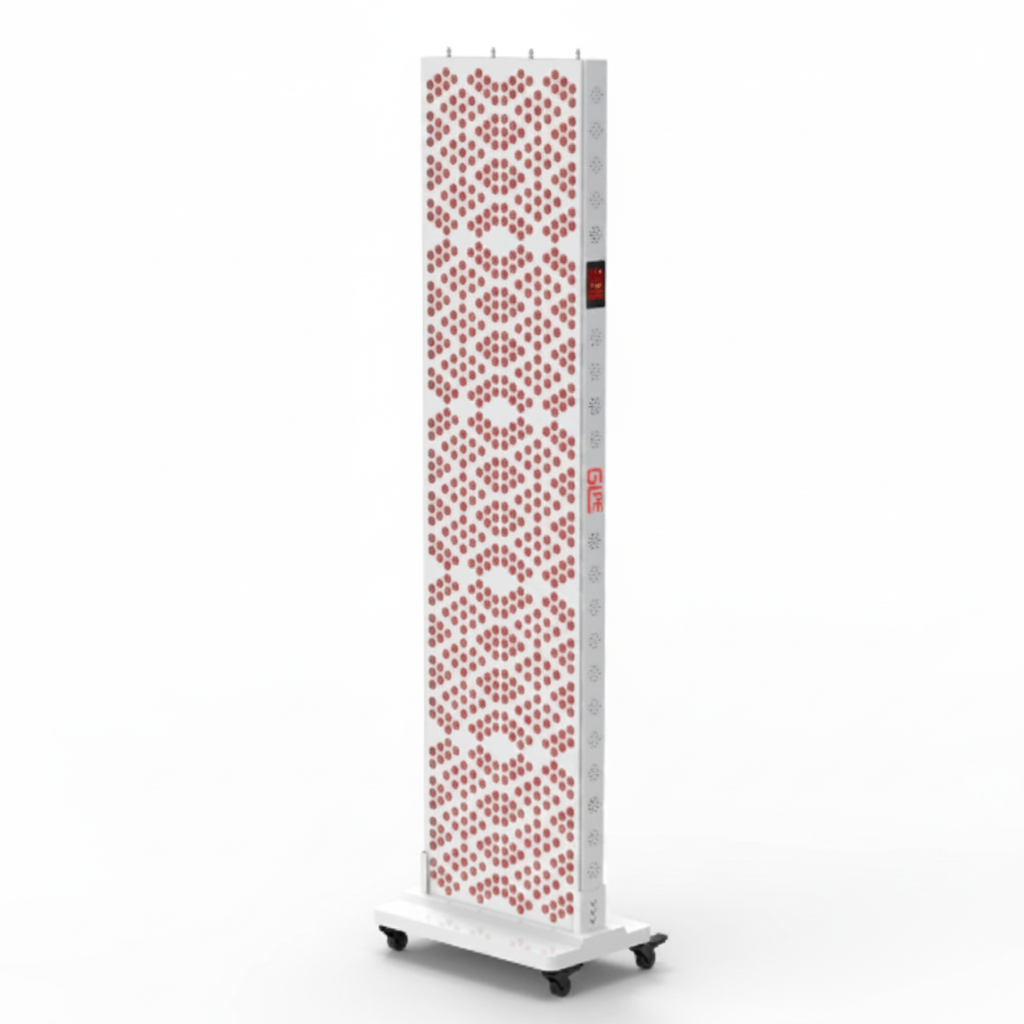
DEXA+ Vita Lite Red Radiance red light panel on a rolling stand, official manufacturer photograph

Red Light Therapy

DEXA+ red light panels commonly deliver visible red light around 630–670 nm; many also include near-infrared wavelengths. Compare coverage and labeled output, and wear eye protection. HPAC works with DEXA+ — ask about DEXA+ red light panels.

Handheld photobiomodulation device with near-infrared and red wavelength settings

Near-Infrared (NIR)

Near-infrared photobiomodulation uses longer, often invisible wavelengths around 800–880 nm, sometimes with visible red. The pictured device includes 810 and 980 nm output. Use eye protection even when the beam is not visible.

Illustrative recumbent far-infrared cabin with a padded lounge, not a confirmed HPAC model

Far Infrared (FIR)

Far-infrared mats, wraps, and recumbent or cabin units provide radiant heat, not red or near-infrared photobiomodulation. Cabin-style FIR saunas are also on HPAC’s thermal therapy page. Use heat cautiously with cardiovascular or sensation concerns.

Person wearing eye protection under an LED facial canopy, shown here in blue

Green, Blue & Violet Light

Multi-color LED panels, masks, and canopies may include green (about 520–530 nm), blue (about 405–470 nm), and violet or purple (about 400–420 nm) light, sometimes in one unit. Wear eye protection, and ask a qualified provider about photosensitizing medications or skin sensitivity.

Summus Horizon Class 4 therapy laser with handpiece, official manufacturer photograph

Therapy Lasers

The pictured Summus Horizon is a Class 4 therapy laser intended for topical heating to temporarily relieve minor muscle and joint pain and stiffness, minor arthritis pain, or muscle spasm; temporarily increase local blood circulation; and/or temporarily relax muscle. Eye protection and operator training are essential. HPAC works with Summus — ask about Summus laser systems.
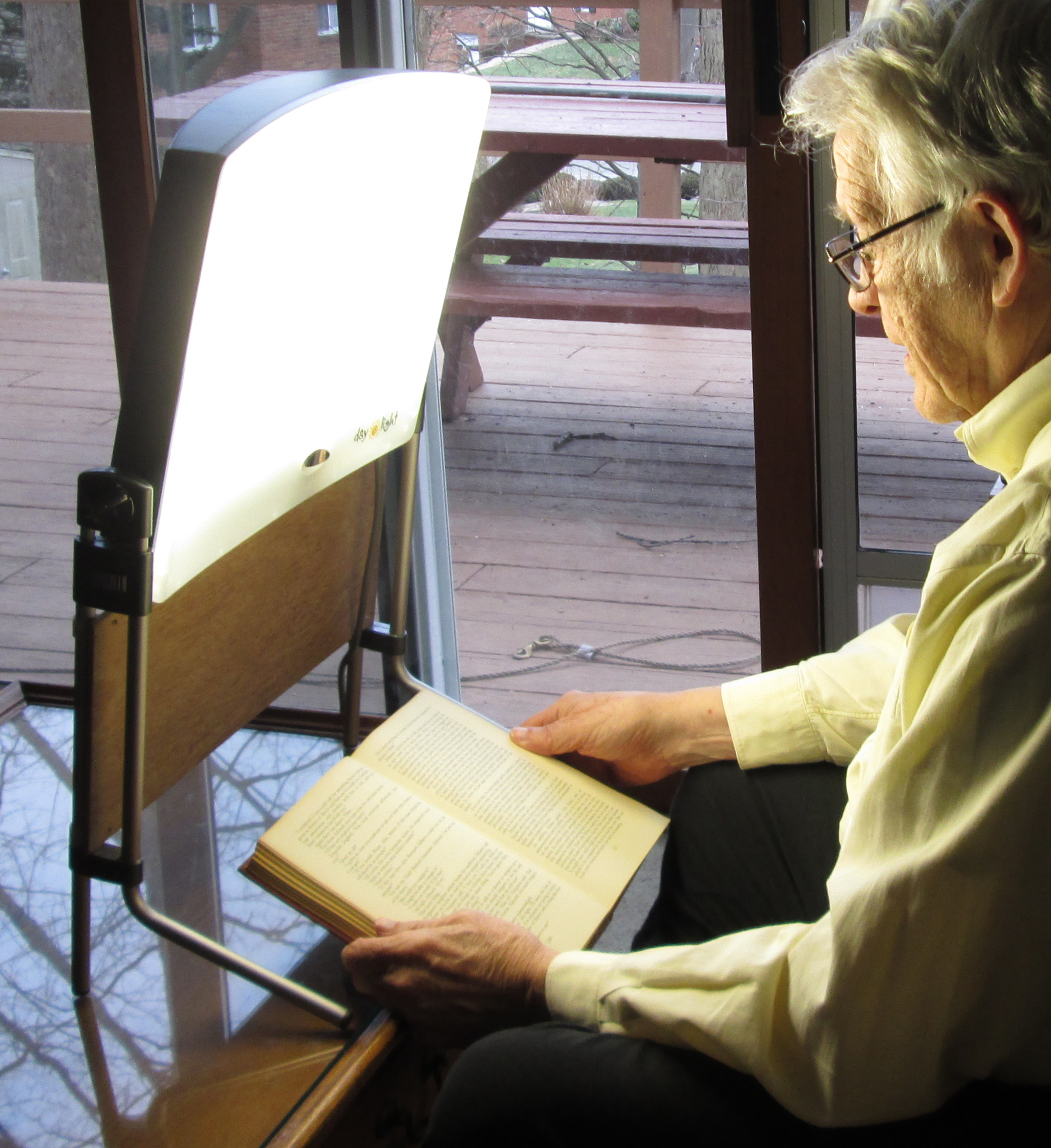
Person reading beside a typical bright-light therapy box

Bright Light Boxes

Bright-light or full-spectrum boxes used for circadian support are often specified around 10,000 lux—not UV phototherapy or lasers. Follow the unit’s distance and duration guidance, and consult a licensed professional for eye or certain mood concerns.

Closed clinical UV phototherapy cabinet with a dose-control screen

UV Phototherapy

Narrowband UVB and related phototherapy cabinets are typically medical devices used under clinician supervision, often by prescription. They are not wellness tanning beds. Use prescribed eye and skin protection; do not use unsupervised UV for cosmetic tanning.

Safety first: Lasers and light-therapy devices are not appropriate for everyone. Use wavelength-appropriate eye protection. Some medications and skin conditions increase photosensitivity. Some beds and multi-pad systems combine several wavelengths in one unit—compare each labeled output separately. These technologies do not diagnose, treat, cure, or replace medical care. Confirm each device’s intended-use labeling or FDA clearance, where applicable, and consult a licensed professional before use. Images illustrate categories and are not confirmation of HPAC inventory, dealership, or availability.

Find the right equipment for your setting.

Get Quote
Images: red light panels: DEXA+ (official manufacturer photo, Vita Lite Red Radiance); NIR device: Gyógylézer (CC0); FIR cabin: GURTNER Wellness (CC BY-SA 4.0; illustrative manufacturer photo); LED canopy: Kolobetsoo (CC BY-SA 4.0); therapy laser: Summus Medical Laser (official manufacturer photo, Horizon); light box: Lou Sander (CC BY-SA 4.0); UV cabinet: DMontagne en résidence (CC BY 4.0). Illustrative and official manufacturer photos; brand names belong to their owners.